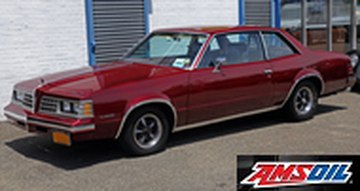
Engine Lubrication and Maintenance for the 1981 Pontiac LEMANS 3.8L
Maintaining a vehicle from the early 1980s requires a shift in perspective compared to modern automotive care. For owners of a 1981 Pontiac LEMANS equipped with the 3.8L engine, routine service is not just about following a schedule; it is about monitoring the physical condition of aging components and ensuring that the lubrication system remains effective. Because mechanical parts and seals change over decades of use, proactive observation is often more valuable than strictly adhering to generic maintenance intervals.
Monitoring Fluid Integrity and Potential Leaks
One of the most effective ways to monitor the health of a 3.8L engine is through regular visual inspections for fluid seepage. Over time, gaskets and seals can lose their ability to maintain a tight barrier against internal pressures. When performing routine checks, it is helpful to look at the areas surrounding the engine block and the underside of the vehicle for any signs of wetness or residue.
If you notice dark, oily staining on the engine surfaces or spots forming on your driveway, these can be indicators that a seal or gasket may require attention. It is important to note that a small amount of seepage is not always an immediate cause for alarm, but it should be documented and monitored. Changes in the frequency or volume of any observed leakage can help you determine if a component is deteriorating more rapidly than expected. Additionally, checking the color and consistency of the oil during a service can reveal much; oil that appears excessively dark or contains visible particulates may suggest that the lubricant is breaking down or that internal contaminants are present.
Observing Changes in Engine Operation
Beyond visual inspections, an owner should remain attentive to how the vehicle behaves during operation. While many mechanical issues can be complex and stem from multiple sources, certain changes in behavior warrant closer investigation. For example, if you notice a change in the way the engine sounds or if there are unusual vibrations that were not previously present, these could be related to various internal or external factors.
If you observe any unexpected smoke from the exhaust, this can be associated with several different mechanical conditions and should be investigated by a professional. Similarly, if the vehicle's temperature readings fluctuate outside of their normal operating range, it is vital to check all cooling-related components and fluid levels immediately. Always remember that a single symptom does not provide a definitive diagnosis; rather, it serves as a signal to perform a more thorough inspection of the engine and its supporting systems.
Managing Maintenance Records for Long-Term Ownership
For a vehicle of this age, establishing a clear maintenance baseline is one of the most practical steps an owner can take. If you have recently acquired this 1981 Pontiac LEMANS, your first priority should be to determine what service has been performed in the past. Without a documented history, it is difficult to know if critical tasks—such as fluid changes or belt inspections—have been completed according to a consistent standard.
Keeping a detailed log of every oil change, filter replacement, and mechanical repair provides several advantages:
- Trend Identification: You can track how quickly certain components, such as seals or hoses, are aging.
- Informed Decision Making: Having a record of previous repairs helps you distinguish between a new issue and a recurring one.
- Resale Value: A well-documented service history demonstrates that the vehicle has been treated with care, which is highly valued in the classic and vintage car markets.
If no records are available, start your own today. Note the date, the mileage, and exactly what was performed. This creates a roadmap for future maintenance and helps you prioritize tasks based on actual vehicle condition rather than guesswork.
Inspecting Aging Engine Components
As vehicles age, materials like rubber and plastic undergo chemical changes that can affect their structural integrity. When performing routine service on the 3.8L engine, it is wise to inspect any accessible components that are subject to heat and movement. If equipped, check drive belts for signs of cracking, glazing, or fraying. Similarly, if there are visible hoses present in the engine bay, inspect them for stiffness, bulging, or surface deterioration.
Electrical connections should also be part of your routine observation. Ensure that wiring harnesses and connectors appear secure and show no signs of corrosion or heat damage. Even if a component appears to be functioning correctly, a visual check can often catch the early stages of wear before it leads to an unexpected interruption in service. This approach moves maintenance from a reactive "fix-it-when-it-breaks" mindset to a proactive strategy of condition-based monitoring.
Prioritizing Service Tasks Based on Condition
When managing an older vehicle, it is easy to feel overwhelmed by the potential for repairs. The most effective way to approach this is to prioritize tasks based on the current state of the engine. Rather than attempting to replace every aging part at once, focus your attention on three specific areas:
- Active Issues: Address any visible leaks, unusual noises, or warning indicators first.
- Critical Fluid Integrity: Ensure that all essential lubricants and cooling fluids are at the correct levels and meet the necessary quality standards.
- Preventive Inspection: Once active issues are managed, move to inspecting belts, hoses, and electrical connections to prevent future failures.
This method ensures that your resources are directed toward the most impactful maintenance activities, helping to maintain the operational stability of the 3.8L engine without unnecessary expenditures.
Practical Advice for Buying Engine Oil for a 1981 Pontiac LEMANS 3.8L
When it is time to replenish your engine's lubrication, the most important step is to ensure that the product you select matches the specific requirements of your application. Because different engines and operating conditions require different lubricant properties, you should not rely on general automotive knowledge or assumptions based on the vehicle's age.
To select the correct oil, match the engine oil to the application-specific viscosity information already displayed on this webpage. Before finalizing your purchase, carefully check the product labeling to confirm it meets the appropriate API service classifications. Depending on your specific needs and the current condition of your engine, you may choose between conventional oils, synthetic blends, or full synthetic formulations. Some high-mileage oil formulations also contain additives intended for use in aging engines, including seal-conditioning additives that may be beneficial for older seals.
Always verify that the oil you are buying is compatible with the information provided in your vehicle's documentation and the specific details listed on this page. By following the application-specific guidance provided here, you can ensure that your 1981 Pontiac LEMANS receives the correct lubrication for continued operation.